A letter to Mr. incoming president
Written by Israel Oghenefejiro Orere
The existential threat that climate change poses to the Nigerian economy has been the subject of several researches and studies for over a decade, these studies have all shown that the economy will continue in a downward spiral if some urgent positive steps are not taken. While the country has put policies and programs in place to tackle the problems that involves climate change, I am afraid, Mr. President, that Nigeria may not be seeing this multi-headed monster for what it is. Perhaps, by this writing, measures commensurate with the severity of this problem may be considered as the nation tries to adapt to or mitigate the effects of climate change.
Agriculture is the sector most hit by climate change. A significant number of rural dwellers are subsistence crops, livestock, or fish farmers. Climate change is marked by rising average temperatures, sea level rise, and an increase in the frequency of catastrophic events like rainstorms and floods, and an increased variation in the distribution of rainfall, humidity, and other agriculture-critical weather conditions.
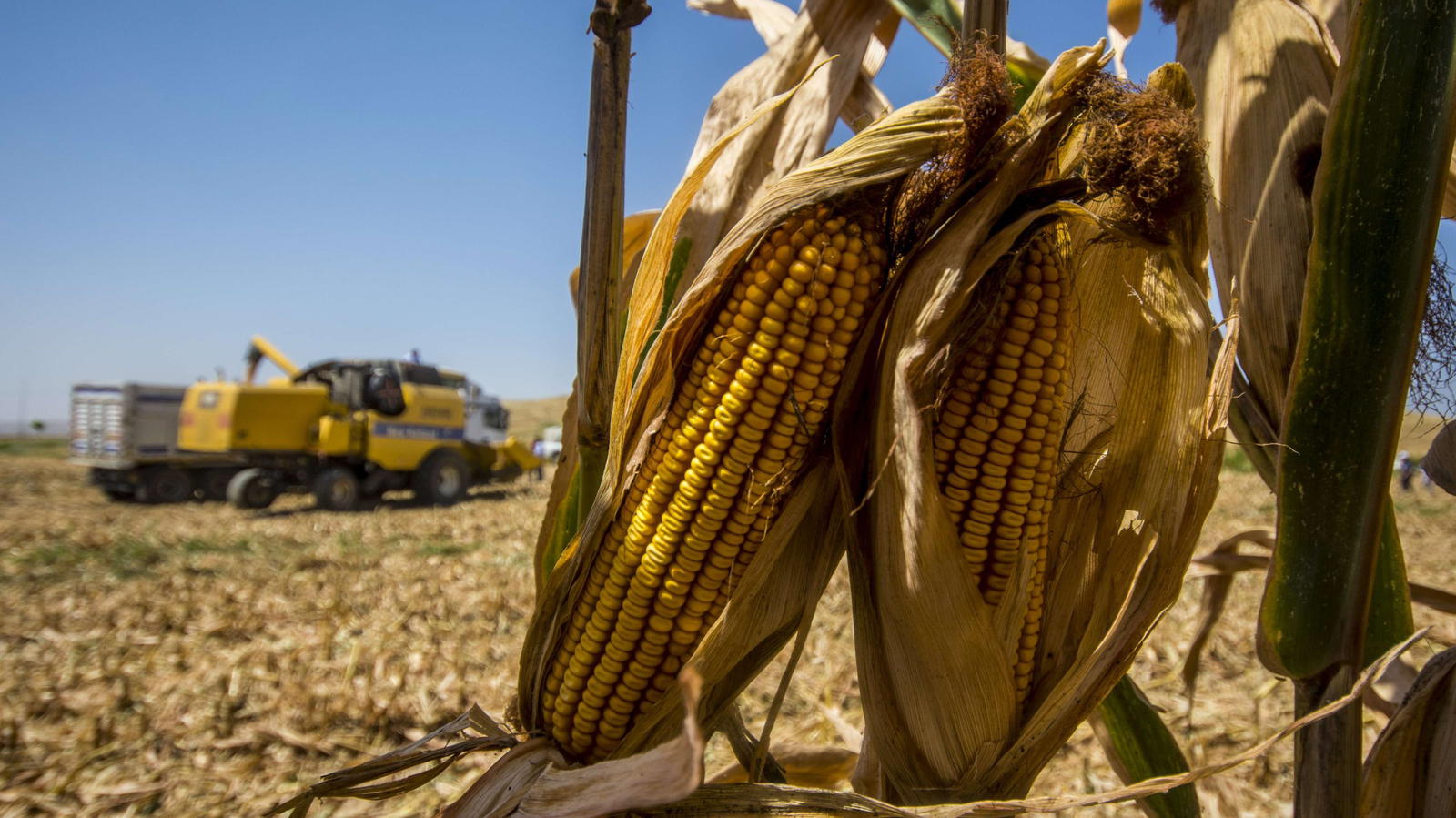
Desert encroachment in the North results in the loss of arable land for farming and pasture for livestock. Higher temperatures and strong desert winds reduce crop yields and encourage increments in pest populations. Higher temperatures will also result in reduced flow from already scarce and over-pressured sources of water. Planting and harvest seasons change over time and farmers do not have the technology to adapt to or experience to mitigate these undesirable effects of climate change. Nightmare for a farmer include; losses in agricultural output, unavoidable increments in the price of agricultural products, and ultimately, huge losses for the economy. When the nomads of the north move in search of greener pasture, they run into problems with farmers further south who are also being hit by the same general problem but in different ways.
In the south, more frequent rainstorms, sea level rise and floods have become synonymous with the region; all of which threaten crop yields. The rising sea levels and floods could inundate estuaries where young fish mature, resulting in lower fish produce. Southern coastal villages with fishing as their main economic activity are confronted with fears that their fish farms may one day be carried off with the frequent rainstorms and floods plaguing their lands. Insecurity takes center stage as communities begin to fight over scarce resources endangered by the adverse effects of climate change. Insecurity is affects both foreign and local investors. Again, the country’s economy takes is hugely affected when investors leave the richly blessed soil of Nigeria to countries where their profits and operations aren’t threatened by communal clashes.
For context, Mr. President, GDP rose by 3.6% between 2020 and 2021, in contrast to the 1.8% drop between 2019 and 2020. The agricultural and service sectors were major players in this net positive. In all of the government’s efforts to tackle this situation of climate change, perhaps more resources should be committed to sensitizing the masses on the adverse effects of climate change, improving individual capacity, providing technology to help farmers conduct their operations profitably and safely, and research into climate change resilient species, alternative farming strategies, adequate data collation and information management systems, and investments in adaptive technology.
The energy sector is also severely affected by the adverse effects of climate change. Higher temperatures result in reduced flows in the rivers and lakes that supply hydroelectric power. Rising sea levels, heavier rains and floods make hydroelectric power generation difficult to maintain and stabilize. With hydropower being the main source of electricity in the country, instability in power generation translates to higher operating costs for companies, which in turn results in higher product prices for the consumers. Moreover, prospective investors wouldn’t want to commit to projects where energy supply is unstable. The fossil fuel subsector is equally affected. Nigeria generates her revenue majorly from the sale of oil and gas. A significant proportion of the facilities where these fossil fuels are produced are concentrated in the coastal regions of the south. These areas are the most vulnerable to catastrophic rainstorms, floods and rising sea levels. Biofuels aren’t left out. Harsh environmental conditions aren’t suitable for the growth of energy crops used as substitutes for biodiesel and bioethanol in rural and some urban applications. Studies have shown, Mr. President, that a 0.2metre rise in sea level could result in loss of about half the number of producing facilities in the region. The economy will be in serious danger if any of these projections materialize.
It would be a grave mistake, Mr. President, to think that these projections are far-fetched and unrealistic. If the number of internally displaced persons from recent flood events is any evidence, then it is certainly the case that the nation is treading a dangerous path. Adaptive and mitigative efforts must be expedited and treated with more urgency as climate change threatens to reverse all of the progress that the nation has made in improving its economy in the last two or three decades. The Tourism sector is not spared among the numerous sectors of the economy affected by climate change. Many game reserves, recreational parks, resorts, and tourist attractions can be found in the coastal areas in southern Nigeria. From the Agbokim waterfalls in Cross River to the Ibeno beach in Akwa Ibom, Nigeria is home to some of the best tourist spots in Africa. But with rising sea levels, increasing temperatures, and floods, some of these spots may be lost if they aren’t properly protected. In 2021, tourism contributed 3.6% to Nigeria’s GDP. If these tourist centers are lost or if tourists no longer feel safe in these areas, Nigeria may be losing a significant source of revenue.
The health sector will experience more stress as the effects of climate change worsen. Temperature variations, rising sea levels, and floods have significant effects on the availability and quality of safe water for drinking and other domestic uses. Poor water quality is the major cause of Cholera, which is largely responsible for the mortality in water-stressed areas in the country. Higher temperatures are responsible for heat strokes in the elderly and other vulnerable populations. Health infrastructure in the nation is inadequate and overburdened. With the effects of climate change becoming more intense, losses in manpower from health-related issues and unprecedented increments in government spending on health care could stifle economic progress.
Mr. President, the future of the Nigerian economy hangs in the balance as climate change’s assault on the economy continues. The efforts of previous administrations are commendable but tremendous effort has to be put in to build resilient, adaptive, or mitigating systems to help fortify the country’s defenses against this reality. Nigeria must also seek to participate more actively in climate change issues on international fronts. Nigeria is also richly endowed with renewable resources which are under-exploited and under-developed. Renewable energy will cut down on emissions and provide a source of revenue for the country through investments in its renewable energy sector.
Yours faithfully,
Israel Oghenefejiro Orere
Disclaimer
Comments expressed here do not reflect the opinions of Vanguard newspapers or any employee thereof.