*Nigeria may become illicit drug country if allowed —Wase
By Levinus Nwabughiogu-Abuja
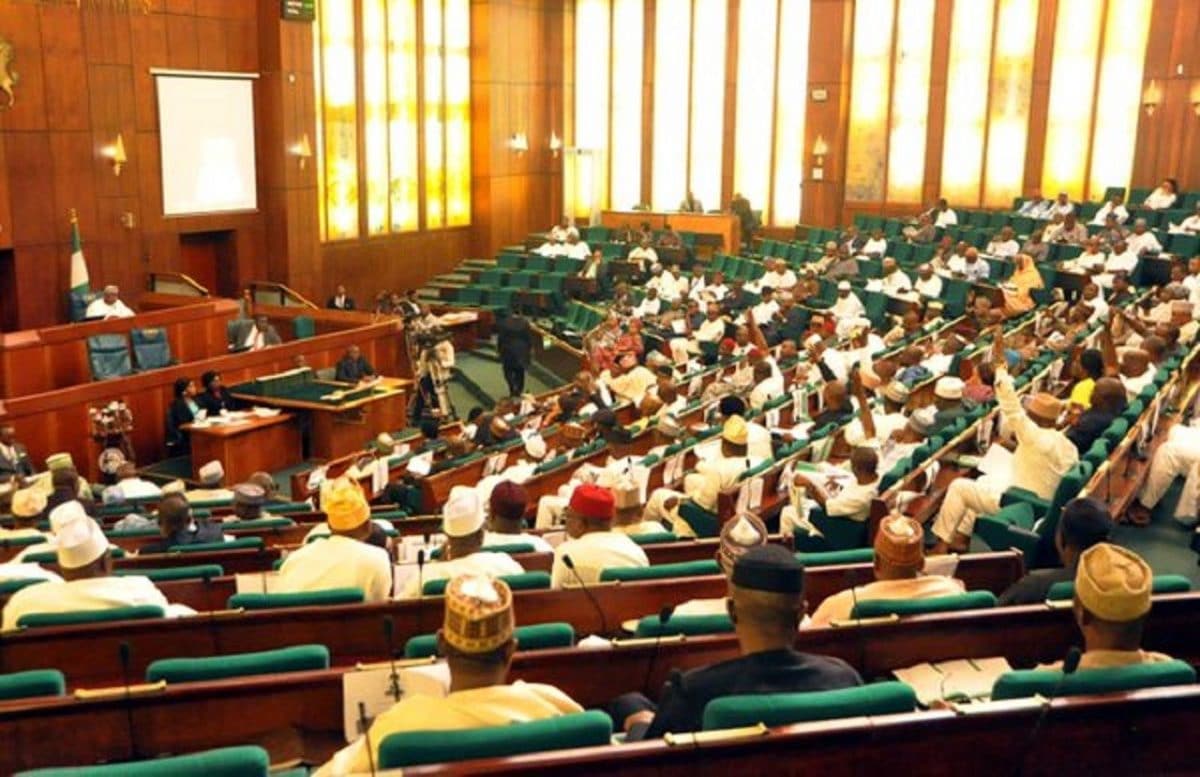
A bill seeking to amend the National Drug Law Enforcement Agency Act, 2004 and grant it more powers to revoke licenses for the cultivation of cannabis plants in Nigeria for medicinal purposes failed to fly in the House of Representatives yesterday.
It will be recalled that the bill, co-sponsored by Benjamin Kalu and Olumide Osoba, was stepped down at the plenary on Wednesday to enable the House to consolidate it with another sponsored by Miriam Onuoha.
At yesterday’s plenary, the bill was represented with the title, “Bill for an Act to Decriminalize the Growth and Use of Cannabis, to Establish a System for the Registration and licensing of Cannabis Growers.”
The co-sponsor, Benjamin Kalu, who led the debate on the general principles of the bill, outlined the benefits of cannabis including pain control, weight loss, and cancer treatment.
He said the bill sought to establish and regulate the safe use of cannabis as a source of medicinal treatment in medical centres, adding that the National Drug Law Enforcement Agency, NDLEA, could effectively regulate its use for treatment.
Speaking against the bill, Nicholas Ossai noted that Nigeria was a signatory to the international treaty of nations on the ban on cannabis.
He queried the authenticity of the claim that cannabis could cure cancer and be efficiently regulated when allowed to be legally administered.
Ossai also decried the harm that the abuse of cannabis had on citizens.
In his remarks, the speaker of the House, Femi Gbajabiamila, reminded Ossai that where conflicts of laws and treaties existed, laws always took preeminence, especially when the treaties were not fully domesticated.
He also stated that the treaty did not repeal any existing law, further noting that the bill would allow experts to contribute at the public hearing if cannabis could treat the mentioned illnesses.
On his part, Nkem Abonta called for balance in the passage of the bill as the motive of the sponsors of the bill was just, but the practical application could be harmful to society, especially if not effectively regulated and then abused.
He called for a rigorous debate at a public hearing where relevant experts could shed more light or knowledge on the matter.
Also contributing, Deputy Speaker of the House, Ahmed Idris Wase, expressed worry that if legislation was used to legalize cannabis, it could be exploited to abuse the drug, especially among the youth.
He called for the development and application of more traditional or indigenous types of medicine to treat some of these ailments.
Wase also reminded the House of the increasing rate of drug abuse, saying the House should not escalate the situation.
He, therefore, called for the bill to be stepped down for further research.
But again, Gbajabiamila stated that the abuse of the drugs would naturally necessitate the need for regulation.
Also speaking against the bill, the Chief Whip of the house, Mohammed Mongunu, stated that it was vague and ambiguous.
Stating that the ambiguity can make the bill manipulative by abusers of cannabis, the lawmaker also called for the stepping down of the Bill until it was properly clarified.
At this point, Hon. Miriam Onuoha who co-sponsored the bill said that world health medicine has achieved a lot in the use of cannabis.
Understanding the mood and concerns of the House on the possible abuse of cannabis, she moved to step down the bill in the interest of the House.
In his remarks, Gboluga Dele stated that the right approach to make the bill succeed was for the debate for the decriminalization of cannabis before it is approved for medicinal purposes.
He stated that Nigeria lacked pharmaceutical companies that could harness and utilize the medicinal components of cannabis and the companies also had to be established before the bill could have the desired effect.
On that note, Benjamin Kalu in exercising his right of reply as a co-sponsor of the bill stated that the consolidation of the different bills had distorted the intention of his original bill.
He, therefore, called for the stepping down of the bill for further consultations.
The bill was eventually stepped down by leave of the House.
Disclaimer
Comments expressed here do not reflect the opinions of Vanguard newspapers or any employee thereof.